Connect this guide with the rest of your visit in the Osaka trip planner. Read how the research is made and what its sources establish.
At a glance
Start here
- Choose one anchor museum and at most one complementary venue.
- Use Osaka Museum of History for a broad chronological frame.
- Choose Tenjinbashi for domestic urban history and a neighborhood walk.
- Use Nakanoshima for art or science venues within one cultural district.
01
Choose the question, not the building count
Osaka's museums answer different questions. Osaka Museum of History moves through major periods of the city's past. The Museum of Housing and Living focuses on housing, everyday life, and urban development. Nakanoshima Museum of Art emphasizes modern and contemporary art and design, while the National Museum of Art focuses strongly on art since 1945.
Write one desired outcome before scheduling: understand why Osaka became a major city, see how residents lived, study art linked with Osaka, or spend a science-centered indoor day. That choice turns a broad museum list into a coherent visit and makes it easier to skip a venue whose current exhibition does not match your interest.
- History overview: Osaka Museum of History.
- Everyday urban life: Museum of Housing and Living.
- Modern art and design: Nakanoshima Museum of Art.
- Postwar and contemporary art: National Museum of Art, Osaka.
- Interactive science and planetarium: Osaka Science Museum.
02
Build a history day around Otemae
Osaka Museum of History is the strongest single anchor for a chronological introduction. Its official site organizes permanent exhibitions across several upper floors and places the museum near Tanimachi 4-chome Station. Start with the permanent route, then decide whether the current featured exhibition adds something relevant to your interests.
Pairing the museum with the nearby castle area works when the goal is historical context, but the museum and castle interior are separate experiences. The museum helps frame multiple eras; the castle museum concentrates on Osaka Castle, Toyotomi Hideyoshi, and related material. Leave enough time to look at the grounds rather than counting both as quick indoor stops.
- Check the permanent-exhibition and featured-exhibition pages separately.
- Use the museum before the castle if you want broader context first.
- Do not add a distant Nakanoshima venue unless its exhibition is the day's priority.
03
Use Tenjinbashi for lived urban history
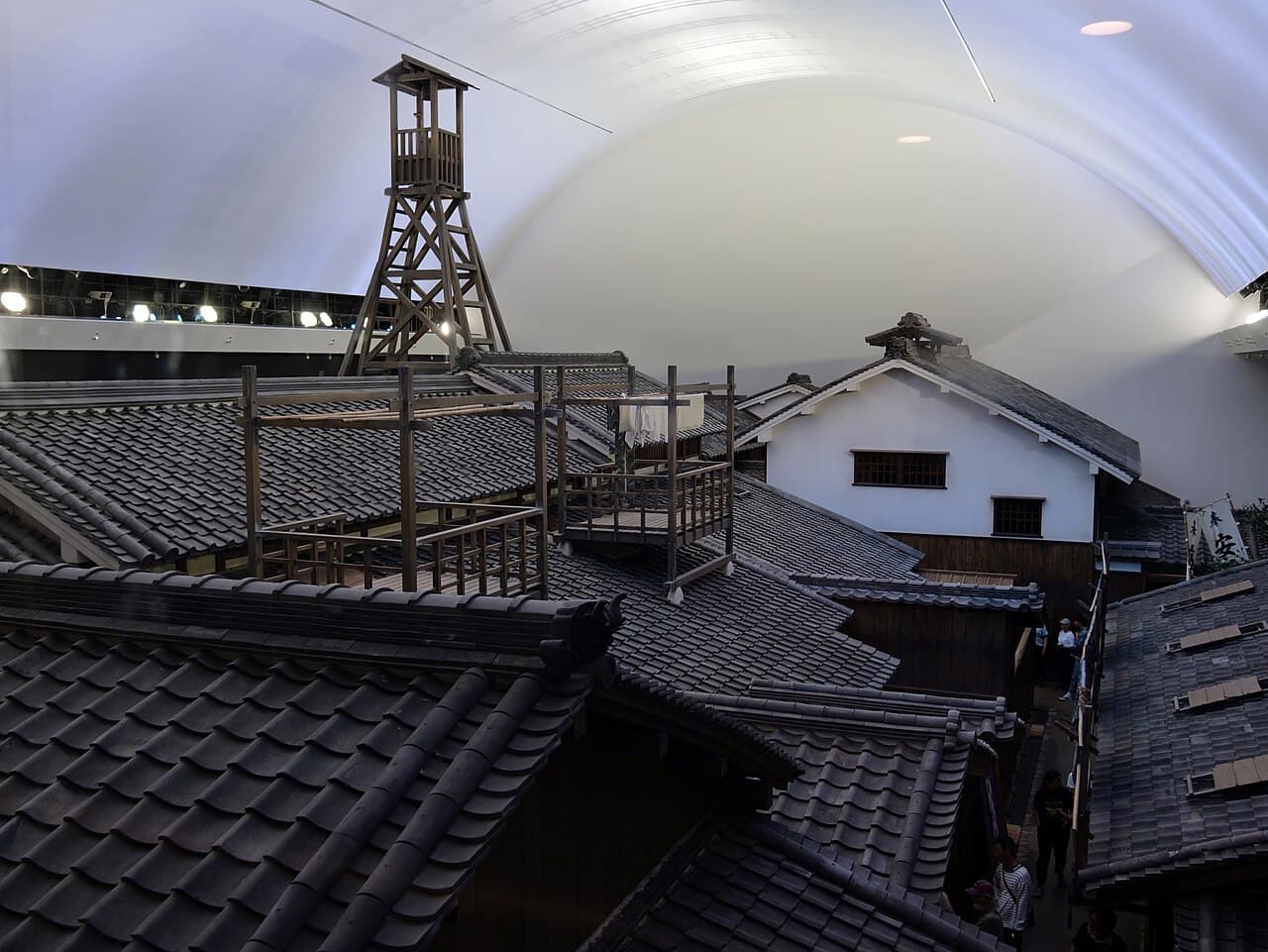
The Museum of Housing and Living is designed around housing, daily life, and the evolution of Osaka's townscape. Official visitor information describes full-size early-modern townhouses alongside models and video material for later urban change. It offers a more intimate question than a political history museum: how did the city feel and function for residents?
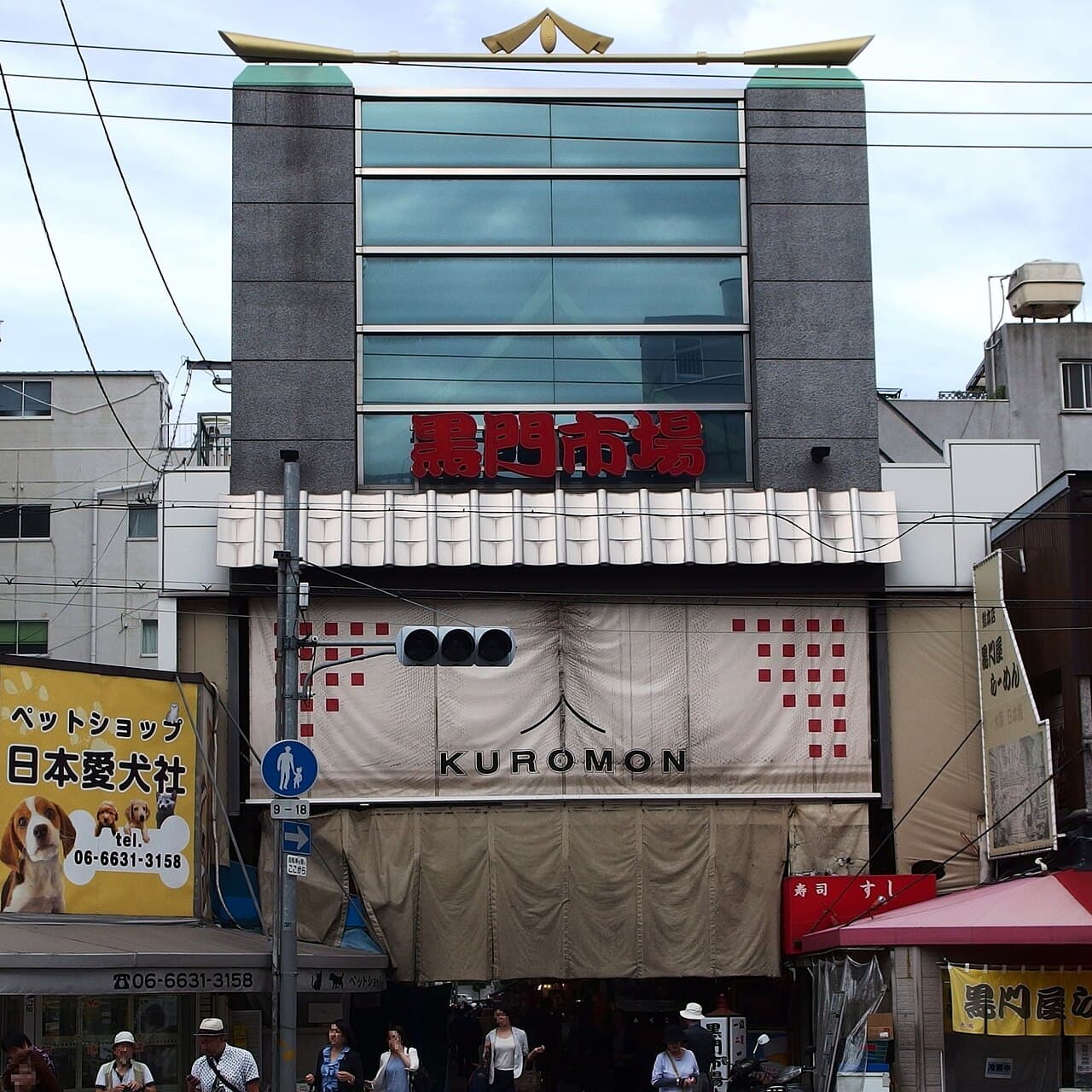
Its location at Tenjinbashisuji 6-chome supports a neighborhood pairing with the long shopping street. Keep the museum as the interpretive anchor and use the arcade to observe a present-day commercial corridor. Shop hours vary, so the walk should be flexible rather than dependent on a particular store or purchase.
- Check the museum's own opening and exhibition notice before departure.
- Enter from the station connection recommended on the official directions.
- Treat the shopping street as context, not as a second checklist.
04
Choose an art lens in Nakanoshima
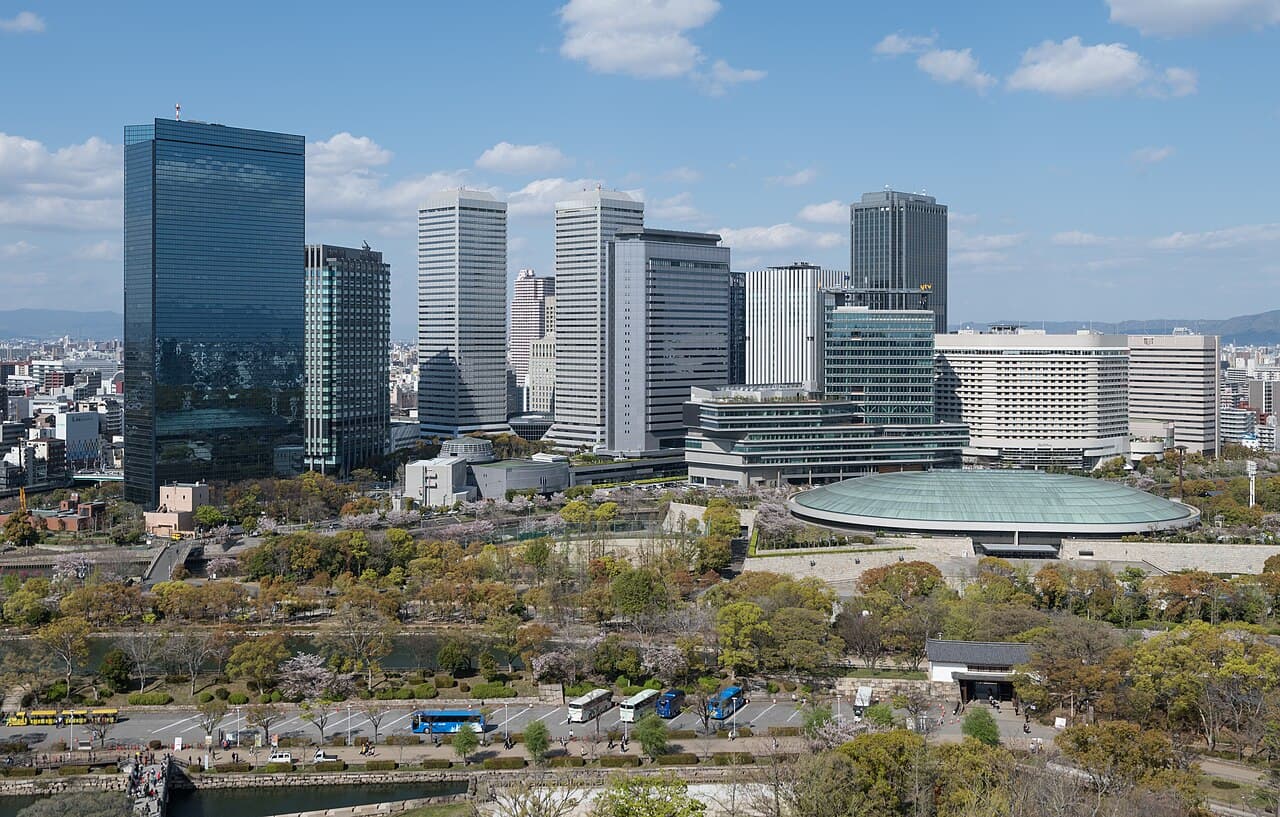
Nakanoshima Museum of Art collects modern and contemporary art and design from Osaka, Japan, and abroad, with material spanning from the late nineteenth century onward. The National Museum of Art, Osaka emphasizes modern and contemporary work from Japan and overseas, particularly since 1945. Their overlapping periods do not make them interchangeable.
Use the current exhibition pages to choose one. Nakanoshima Museum of Art may fit visitors interested in Osaka-linked artists and design, while the national museum provides a postwar and contemporary frame. The National Museum of Art is also architecturally distinctive because its galleries are underground. A serious visit to either can fill the main part of an afternoon.
- Read the exhibition description, not only the museum name.
- Check whether the collection material you expect is currently displayed.
- Choose a second art museum only if the programs clearly complement each other.
05
Plan science sessions before the walk
Osaka Science Museum separates its exhibition hall, science shows, and planetarium information. The official site publishes a live calendar and indicates that planetarium programs have defined sessions. If the planetarium is your priority, select the program and current ticket method before planning lunch or another museum around it.
The museum sits in the same wider Nakanoshima cultural area as the two art museums, but subject fit matters more than proximity. A science visit can stand alone, especially for travelers who prefer interactive exhibits. If you pair it with art, leave a generous transition and accept that one venue may receive only a focused visit.
- Check the live opening calendar and planetarium program.
- Confirm whether the exhibition hall and planetarium require separate choices.
- Arrive before a timed session rather than assuming late entry.
06
Use only natural two-venue pairings
The strongest pairings minimize both travel and subject whiplash. Osaka Museum of History plus the castle grounds creates a history sequence. The Museum of Housing and Living plus Tenjinbashisuji links interpreted streets with a living commercial district. In Nakanoshima, one art museum can pair with the Science Museum only when both subjects matter to your group.
Avoid crossing from Otemae to Tenjinbashi to Nakanoshima merely because all venues look close on a city map. Admissions, lockers, orientation, and gallery reading consume time beyond the rail ride. Two satisfying visits with a neighborhood walk usually deliver more understanding than four abbreviated admissions.
- Pair by area and theme.
- Give the anchor venue the first and longest time block.
- Make the second venue optional if the first visit runs long.
07
Verify the museum day the night before
The night before, open the official page for each selected museum. Confirm its calendar, the named exhibition, ticket method, last-entry policy, and any visitor notice. Do not rely on a search snippet or a saved social post; temporary closures and gallery changes can invalidate an otherwise sensible route.
Save the museum names and nearest stations, then choose one fallback that remains in the same area. In Otemae, the castle grounds can supply outdoor context. In Tenjinbashi, the arcade supports a flexible walk. In Nakanoshima, the river island and public architecture provide a useful pause even if a second museum no longer fits.
- Capture the current calendar and ticket confirmation.
- Check rules for bags, photography, and re-entry on the venue page.
- Keep the fallback in the same district.
Useful answers
Reader questions
Which Osaka museum is best for city history?
Osaka Museum of History provides the broadest chronological frame among the venues in this guide. Check its official permanent and featured exhibition pages to see which floors and programs match your visit.
Sources: Osaka Museum of HistoryWhat is the difference between Osaka's two Nakanoshima art museums?
Nakanoshima Museum of Art covers modern and contemporary art and design with a strong Osaka dimension, while the National Museum of Art emphasizes modern and contemporary art, particularly work since 1945. Current exhibitions should decide your choice.
Sources: Nakanoshima Museum of Art, Osaka; The National Museum of Art, OsakaCan I combine Osaka Science Museum with an art museum?
Yes, because the venues share the wider Nakanoshima area, but plan around any timed planetarium session and choose only one art museum. Check every venue's current calendar before committing.
Sources: Osaka Science Museum; Nakanoshima Museum of Art, Osaka; The National Museum of Art, OsakaIs the Museum of Housing and Living near a shopping area?
Yes. It is at Tenjinbashisuji 6-chome, making the Tenjinbashisuji shopping street a natural neighborhood pairing. Individual shop schedules vary, so keep that part of the day flexible.
Sources: Osaka Convention and Tourism BureauRead the evidence
Sources and further reading
These sources support the relevant sections above. Plans and comparisons are editorial suggestions. Check operators for current arrangements.
- Osaka Museum of History ↗Osaka Museum of History · Research date 14 September 2026
Permanent-exhibition structure, current calendar links, access, and the museum's city-history focus.
- Osaka City Housing Museum: Osaka Museum of Living Then and Now ↗Osaka Convention and Tourism Bureau · Research date 14 September 2026
Museum focus on housing and urban development, recreated townhouses, models, and Tenjinbashi location.
- Our Collection ↗Nakanoshima Museum of Art, Osaka · Research date 14 September 2026
Collection scope across modern and contemporary art and design, including Osaka-related work.
- About the Museum ↗The National Museum of Art, Osaka · Research date 14 September 2026
Post-1945 collection emphasis, Nakanoshima location, museum history, and underground-building context.
- Osaka Science Museum ↗Osaka Science Museum · Research date 14 September 2026
Official calendar, exhibition hall, planetarium, science-show, and visitor-planning information.